‘Craft Is a Verb’: What Heimtextil 2026 Told Us About the Next Two Years of Fabric
‘Craft Is a Verb’: What Heimtextil 2026 Told Us About the Next Two Years of Fabric
For readers assessing Italian furnishing fabrics, the practical question is how the idea performs in a real room, not only how it photographs. Heimtextil filled Messe Frankfurt from 13 to 16 January 2026 with 3,000 exhibitors from 148 nations and more than 48,000 buyers, a turnout the organisers’ closing report called stable in a volatile market. The fair ran under the motto “Lead the Change.” The forecast that mattered sat in Hall 6.1, where the Trend Arena carried a shorter and stranger line: “Craft is a verb.” Six months on, with autumn ranges locked, it is worth asking what that sentence committed the industry to.
The title is the argument
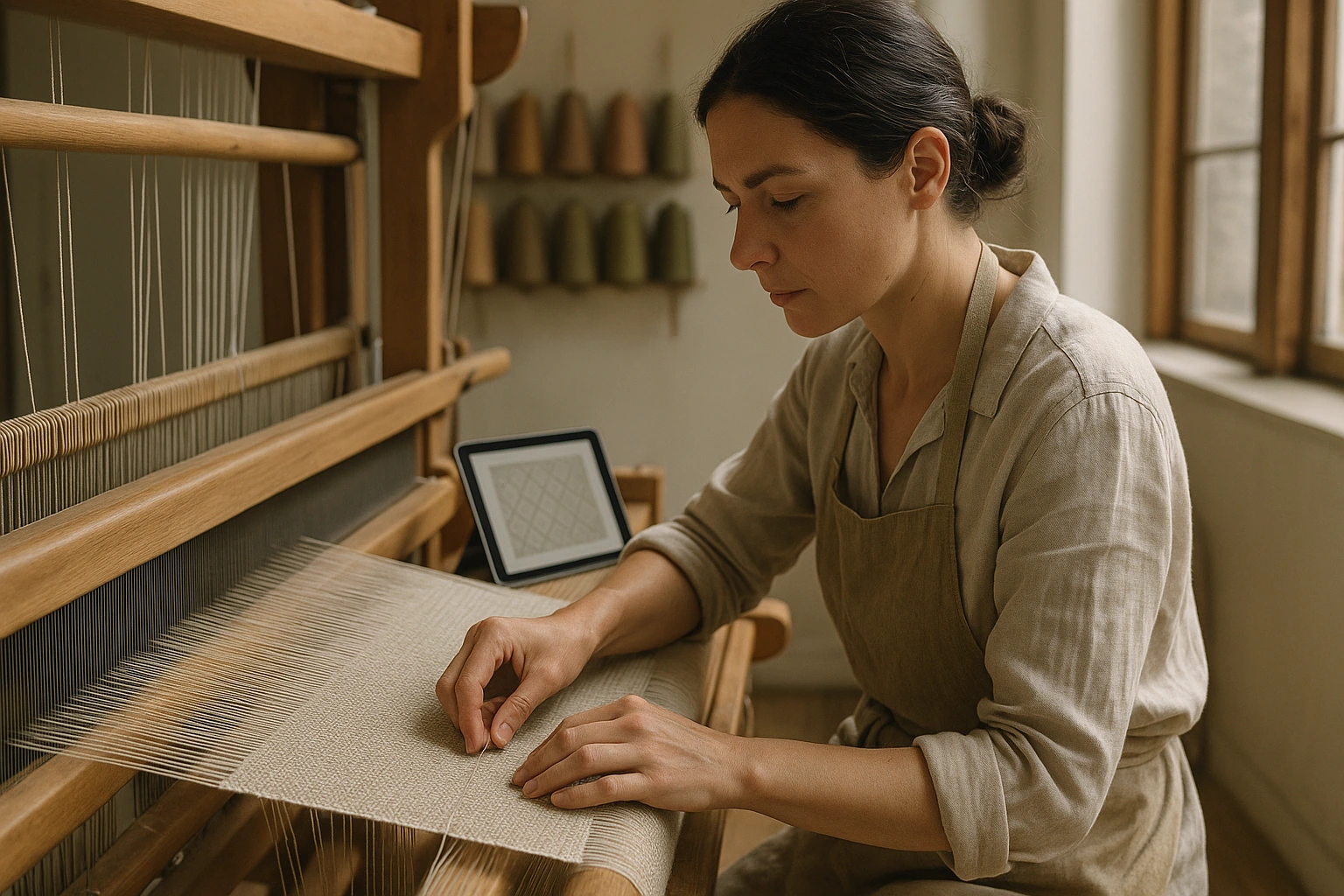
Read it as grammar and the forecast gets clearer. Craft used as a noun is a label, and the trade has been sticking it on things for thirty years. It implies a village, a grandfather, a wooden loom in a photograph nobody took recently. Used as a verb, craft is not a heritage claim. It describes work: someone made a decision, with their hands, at a specific point in a process, and the cloth records it.
That shift is the point of the Heimtextil Trends 26/27 programme, curated by Alcova’s founders, Valentina Ciuffi and Joseph Grima. Since 2018 the pair have occupied disused and historic buildings on the edges of Milan during design week, which matters here: they are not sentimental about workshops, they are interested in processes nobody has tidied up yet. Ciuffi says Alcova is drawn to “objects and processes that are unexpected, experimental, even a little unruly – yet somehow find their way into our homes.”
The framing worth carrying into a buying meeting is the organisers’ own: the future of textiles depends on techno-craftspeople rather than artificial intelligence alone. Not on machines, and not on nostalgia. On people who can drive both. The wider project context is available from nlnig.org.
The six streams, in plain terms
The Trend Arena split the theme into six streams. They get reported as a list of moods, which wastes them: each is a claim about where a human hand enters the process.
| Stream | The claim | What it looks like in cloth |
|---|---|---|
| Re:media | A design crosses media and keeps the damage | Drawings rendered digitally, then returned to jacquard or embroidery; pixelation and glitch motifs |
| Visible co-work | The machine starts it, a person finishes it, and the join shows | Digitally embroidered linen, 3D-knitted patchwork, generative pattern |
| Sensing nature | Digital tools decode natural structure rather than copy its picture | Sea surface read into a grid; lichen turned into motif |
| A playful touch | Small deliberate pleasures survive optimisation | A ruffle on a minimal curtain; neon on natural linen |
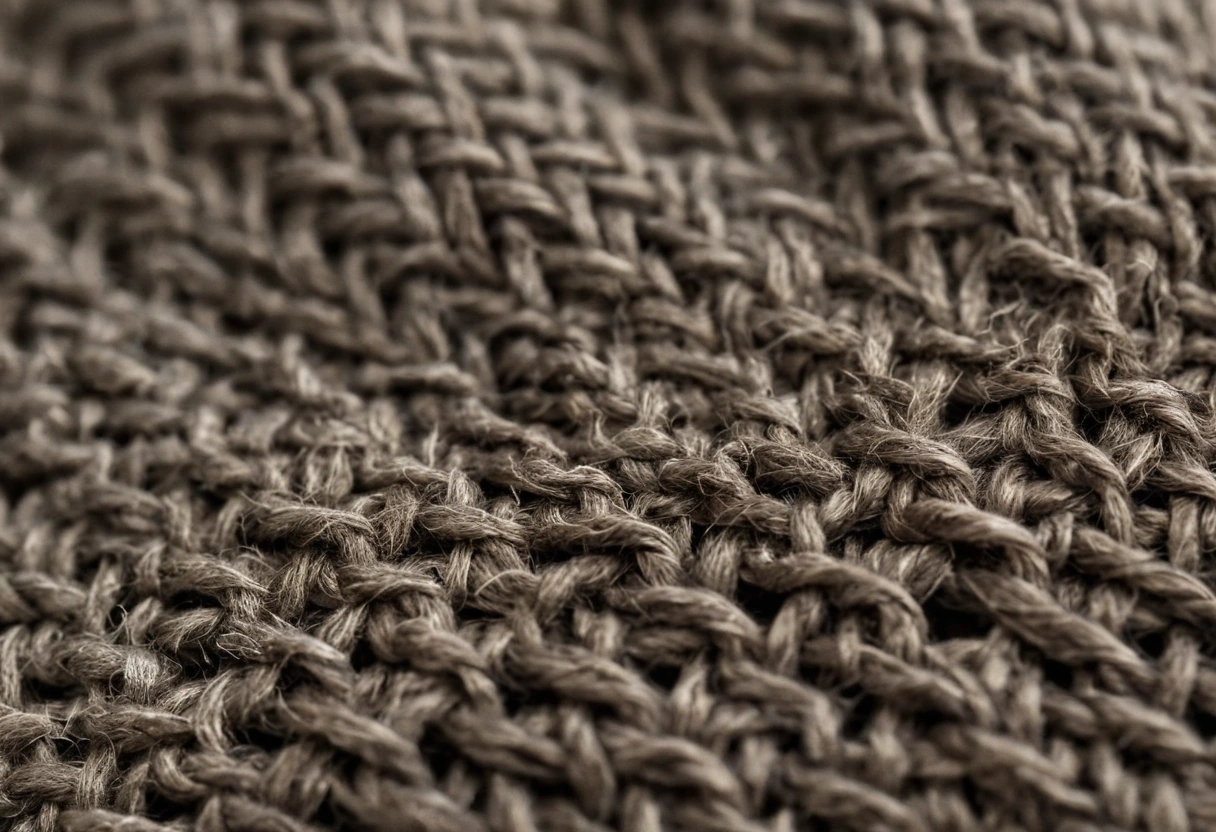
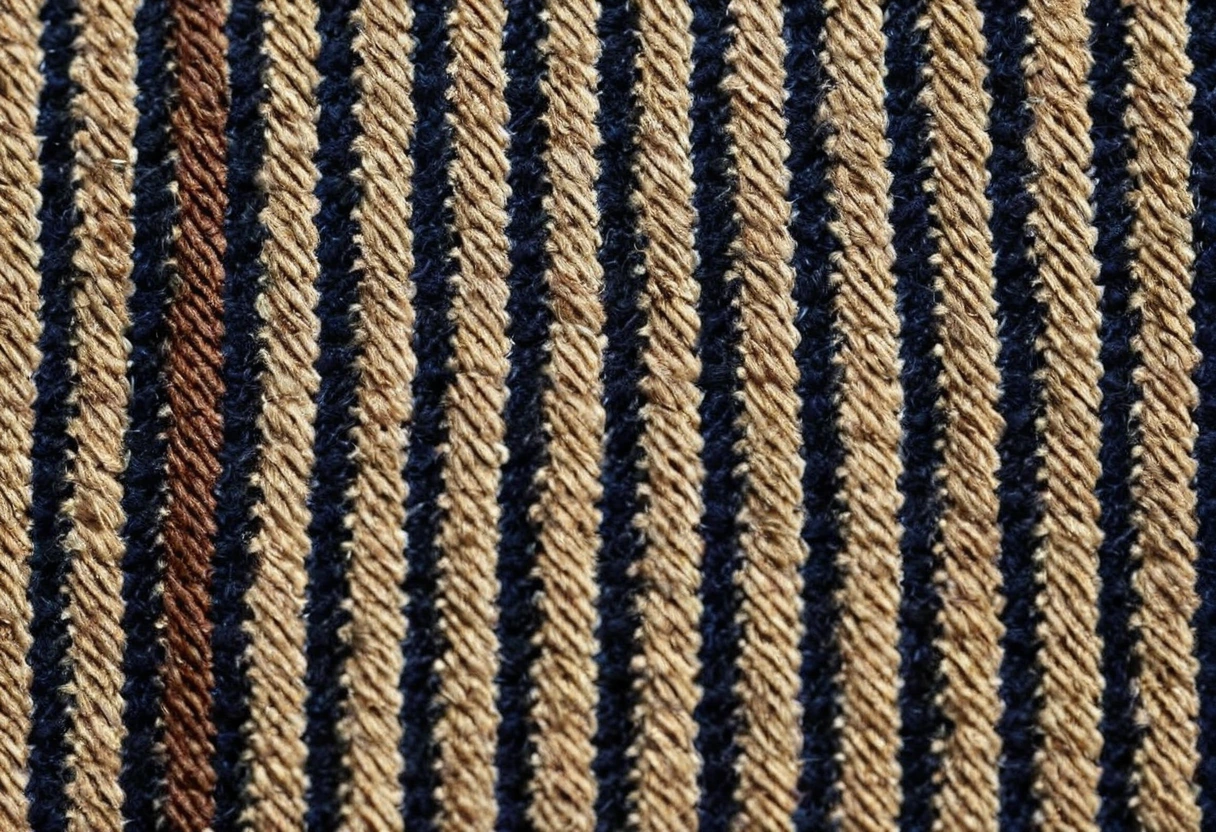
| Crafted irregularity | Evidence of making is the feature, not the fault | Knots, uneven dyeing, visible seams, asymmetrical finishes |
| The uncanny valley | The mechanism stops hiding | Wires, connectors and coils shown as surface detail |
Put like that, the six stop being separate moods. Three (Re:media, Visible co-work, The uncanny valley) make the machine’s part of the job legible instead of pretending it did not happen. Two (Crafted irregularity, A playful touch) protect the parts of cloth no optimisation would ask for. One, Sensing nature, uses computation to read the natural world rather than photograph it. The common enemy across all six is not technology. It is uniformity. The publication’s sourcing and review approach is explained in Source & Citation Standards.
Grima has been blunt about why the pendulum swings back: leave AI to itself, he argues, and what you get is “slop and trash”.
“Creatives are increasingly looking for meaning, something that speaks to us as human beings. The rise of AI is closely linked to a rise of craftsmanship.” Joseph Grima, co-curator, Heimtextil Trend Arena 26/27
The colour story is the theme in pigment
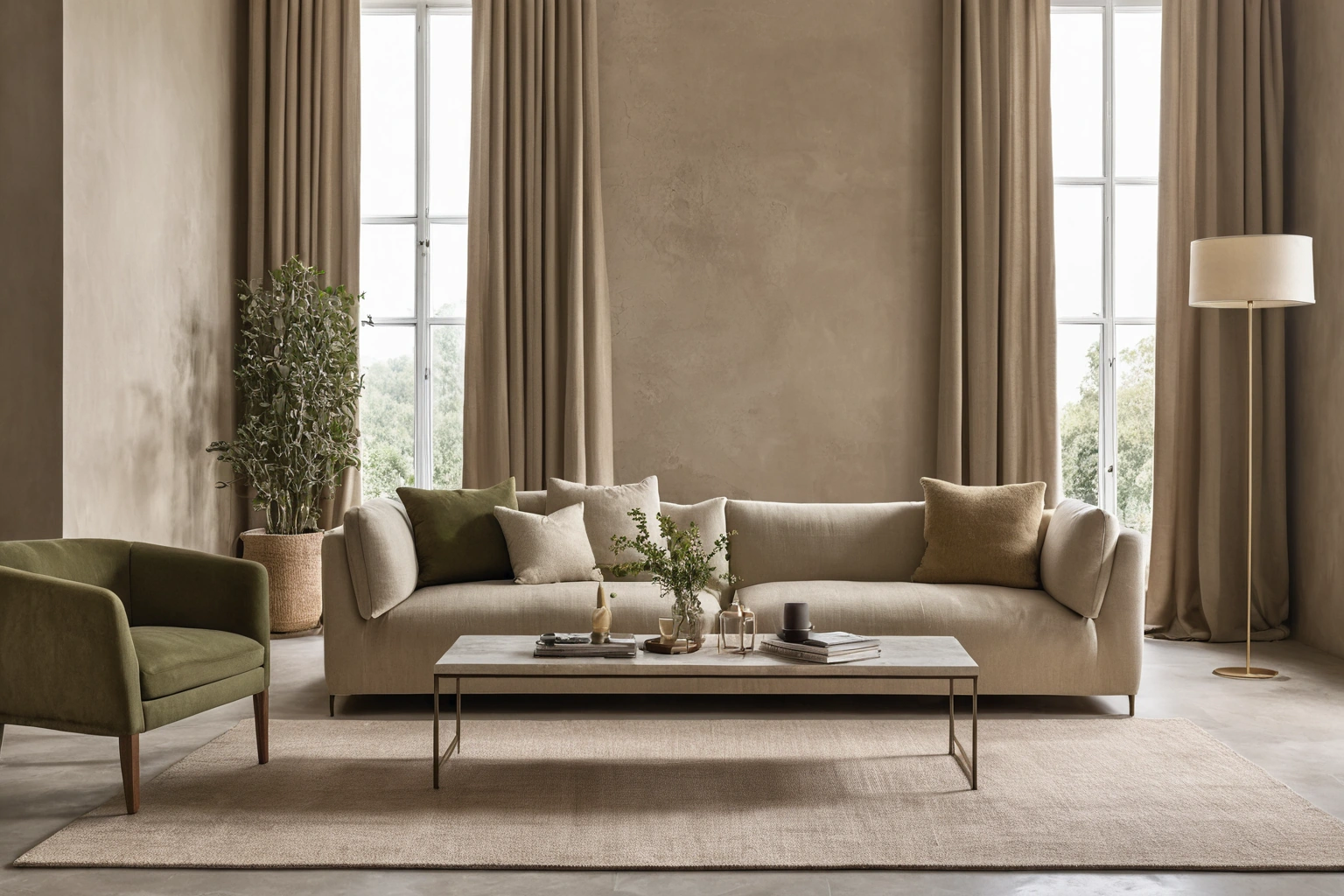
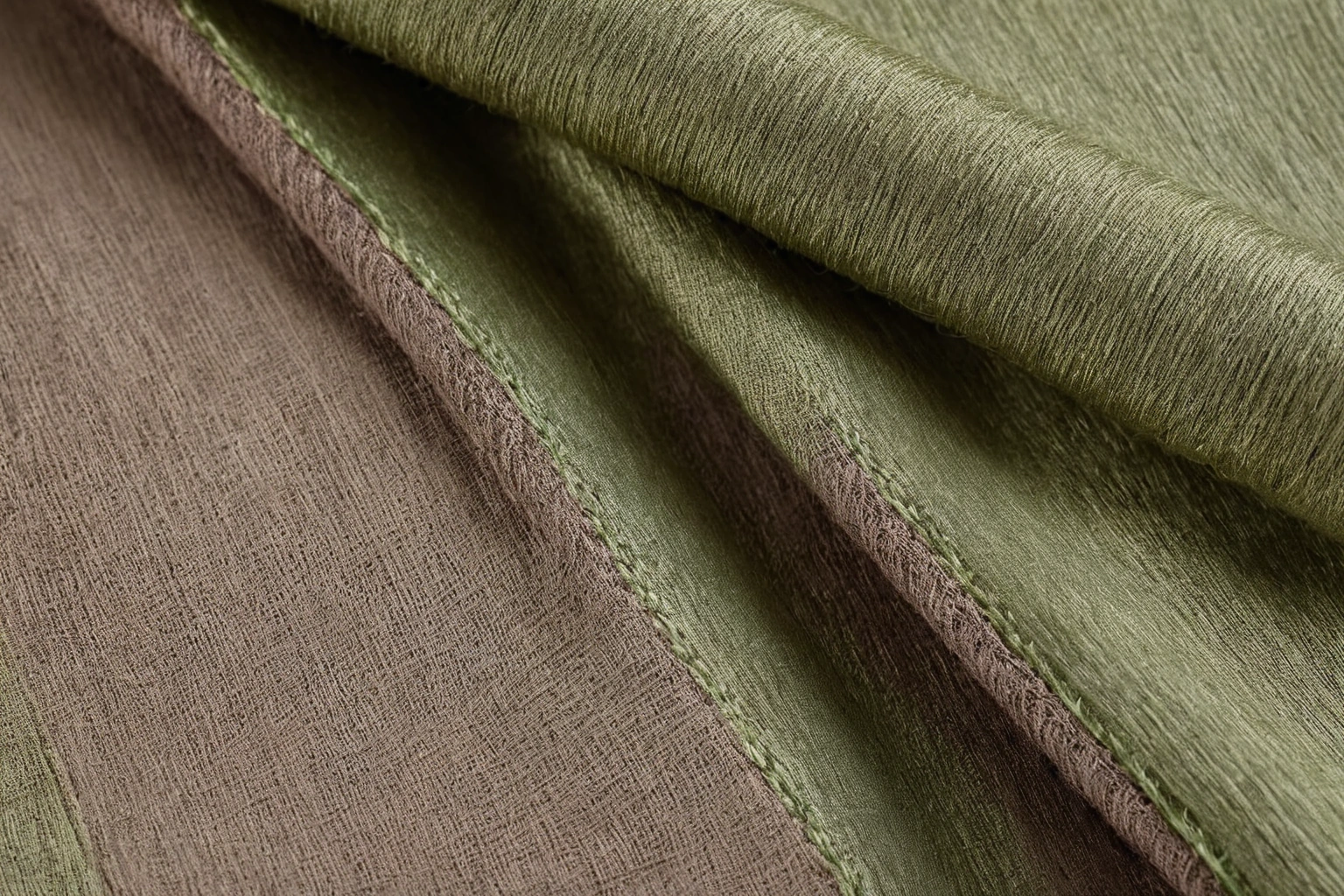
The 26/27 palette makes the same argument without words. The base is grounded: sand, clay, soot, olive and tree bark, colours that read as material and weight. Then it is broken. Sharp synthetic accents cut across the calm, acidic green, digital lilac and a bright screen blue that belongs to a display rather than a dye house. The forecasters call these glitches, and they are not an accident of the scheme; they are the scheme. In practice it licenses quiet, tactile neutrals throughout, provided one thing refuses to behave: a cushion, a trim, a lining behind a linen curtain.
Hall 3.0, and what Urquiola built there
The Trend Arena had a companion argument one hall over. Patricia Urquiola installed ‘among-all’ in Hall 3.0, a second chapter following ‘among-us’, assembled largely from the industry’s own offcuts: a 3D-printed portal by Caracol made from Aquafil’s ECONYL chips, a hybrid sculpture in Ohoskin, a material derived from orange by-product, and carpets and hanging grids built from the woollen selvedges left by rohi’s mill. Further examples and planning context appear in About Us.
The point was not the spectacle. It was that the waste stream and the technology stream were shown as one conversation, in a hall where buyers were signing for next year’s volume.
- Techno-craftsperson
- The organisers’ term for a maker who works fluently with digital tools and hand processes, and who decides which one owns each step.
- Selvedge
- The self-finished edge of woven cloth, trimmed and discarded in most production; used as raw material in ‘among-all’.
- Uncanny valley
- Borrowed from robotics: the discomfort provoked by something almost, but not quite, humanlike. Applied here to surfaces that show their own wiring.
What to do with a two-year forecast
A forecast is not an instruction, and 26/27 is deliberately hard to shop: there is no single motif to order. What it gives a specifier is a set of tests for a sample book. The publication’s sourcing and review approach is explained in Editorial Guidelines.
- Ask where the hand entered. If a supplier cannot name the step a person owned, the cloth is not in this conversation, whatever the swing tag says.
- Treat irregularity as a specification, not a defect. Agree in writing which variations are wanted, because an inspector trained on uniformity will reject exactly what you bought.
- Build on the earth tones and budget for one interruption. The glitch colours work in small, decisive quantities and look like a mistake in large ones.
- Check the by-product story is real. ‘among-all’ set the reference: named material partners, named waste streams. Anything vaguer is a mood board.
- Buy the structure, not the pattern. Pattern dates in two years. Weave, weight and hand do not.
That last point favours the mills already working this way. A house supplying Italian furnishing fabrics to a bespoke interior has always had to answer for the loom, the finish and the person who signed the piece off. The questions worth asking are short.
- Which of these six directions can you actually weave next season?
- If a design starts as a digital file, who edits it before it reaches the loom?
- What happens to your selvedges and offcuts?
- Which irregularities in this sample are intentional, and will they repeat across a 40-metre run?
Six months after Frankfurt, the useful residue of Heimtextil 2026 is not a colour or a motif. It is a working definition. Craft stopped being a claim about where cloth came from and became a claim about what someone did to it, which is far harder to fake on a label and far easier to verify in a sample. The fair returns to Messe Frankfurt from 12 to 15 January 2027, and the question by then is not whether the machines got better. It is how many mills learned to say precisely where the person stood.